Educational use only. This website does not give investment advice.

Real-world Algo Projects

Algo & Quantitative Trading

Real-world Algo Projects

This material brings earlier algo trading topics together through complete example projects. Each project starts with a trading idea, then moves through data collection, coding the rules, backtesting, risk controls and review. Worked examples include a moving average trend strategy, a mean reversion approach and a simple portfolio rebalancing tool, each explained step by step with its limitations.

Levels
4
Starting from
295 credits
Category
Algo & Quantitative Trading
Real-world Algo Projects
4 levels
Each level is unlocked separately

Choose a level

Choose a level to see what it includes

Level 1

Beginner

  1. Covered in this level

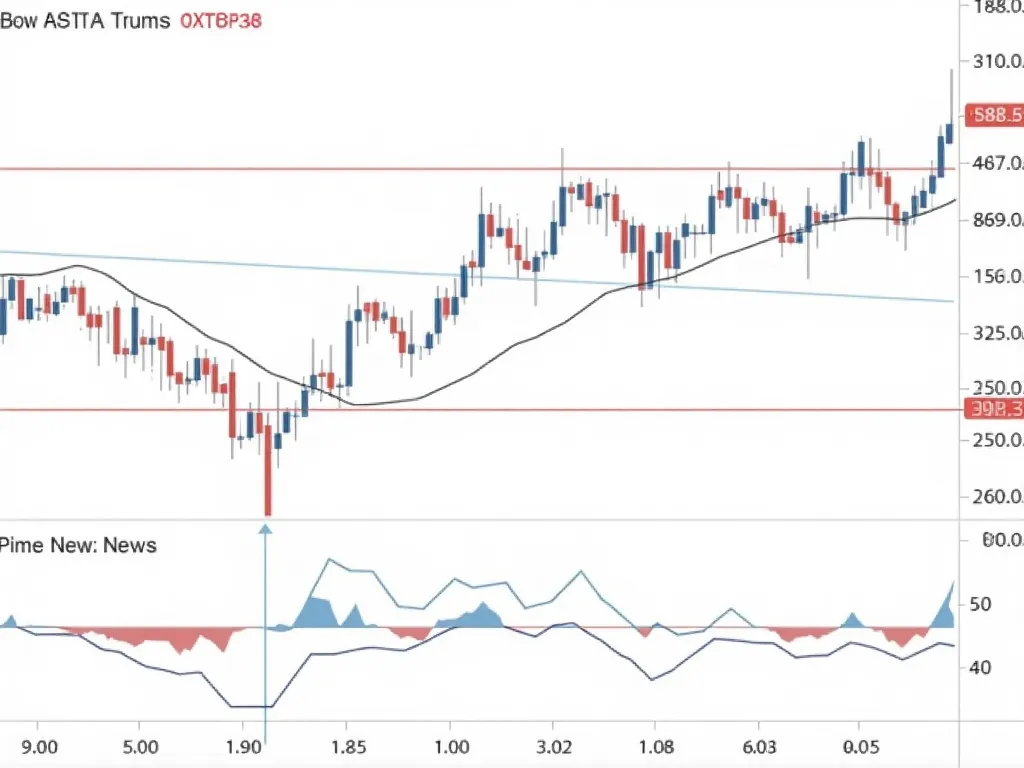
    The first project builds a moving average crossover strategy: writing the idea as rules, downloading price data, coding signals in Python, running a basic backtest and reviewing the results. Each step is explained, including the limitations of the approach and why past test results do not predict future performance.

  2. Suited to

    This level is for learners who have studied the basics of algo trading and want to see how the pieces fit into one small project. It focuses on a simple, complete example that moves from an idea to tested rules in clear, manageable steps.

  3. What you will be able to apply

    After studying this level, you should be able to complete a small algo project from idea to backtest, understand how each stage connects to the next, and explain the main strengths and weaknesses of a simple trend strategy.

About this material

The material shows how an idea is turned into a structured project, with clear folders, reusable code and documented assumptions. For each example it explains the reasoning behind the rules, how the data was prepared, what the backtest shows and where the results might mislead.

Later sections cover comparing strategies, combining them in a portfolio, paper trading and keeping a log of changes over time. Each project closes with a review of weaknesses and ideas for further testing, making clear that historical results do not predict future performance. It suits learners who have covered the basics of Python, backtesting and risk management and want to see how the pieces fit together.