Educational use only. This website does not give investment advice.

Chart Patterns Explained

Technical Analysis

Chart Patterns Explained

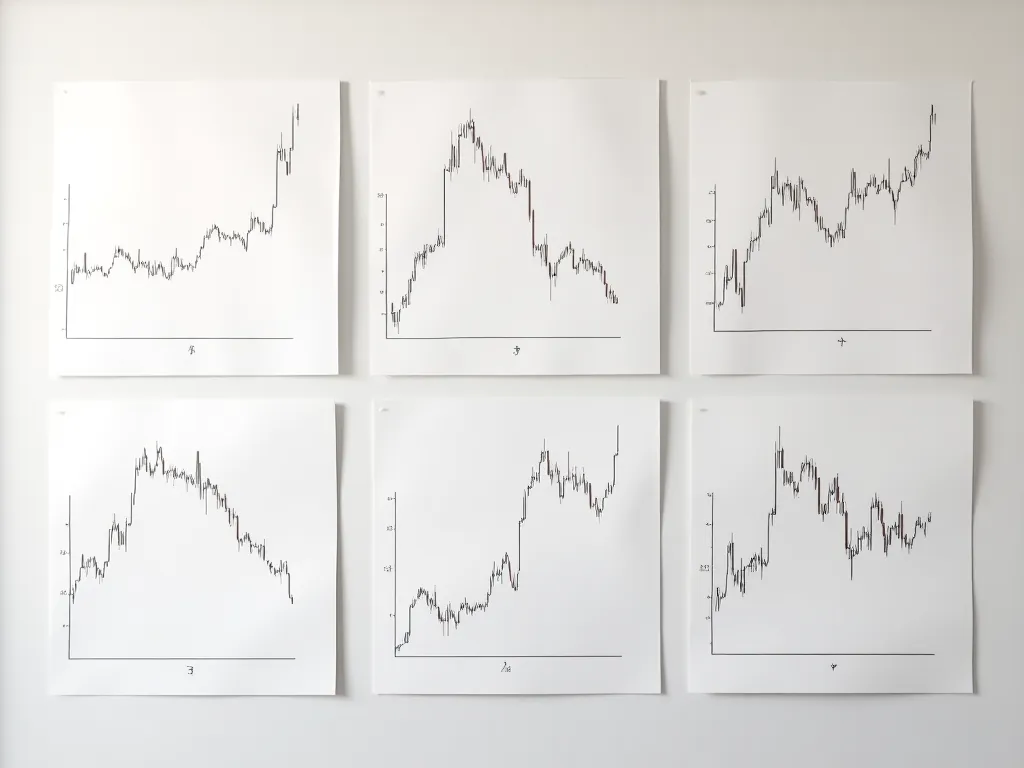
Price charts often form shapes that traders use to judge whether a trend may continue or reverse. This material explains the most widely studied chart patterns, including head and shoulders, double tops and bottoms, triangles, flags, pennants and wedges. It shows how each pattern forms, how it is commonly interpreted and why patterns fail, so learners read charts with realistic expectations.

Levels
4
Starting from
250 credits
Category
Technical Analysis
Chart Patterns Explained
4 levels
Each level is unlocked separately

Choose a level

Choose a level to see what it includes

Level 1

Beginner

  1. Covered in this level

    The level introduces continuation and reversal patterns, including double tops and bottoms, head and shoulders, triangles, flags and pennants, explaining how each forms, where its neckline or boundary lies and why a pattern is only confirmed after a breakout.

  2. Suited to

    This level is for learners who are new to technical analysis and want to recognise the shapes that appear on price charts. It focuses on identifying the most common patterns clearly and understanding what they are generally thought to suggest.

  3. What you will be able to apply

    You should be able to spot the main chart patterns on a daily chart, tell continuation patterns from reversal patterns and explain why an unfinished pattern should not be treated as a signal on its own.

About this material

The material first explains what a chart pattern is and why patterns reflect the balance between buyers and sellers. It then separates patterns into two groups: reversal patterns, such as head and shoulders, double tops and rounding bottoms, and continuation patterns, such as flags, pennants, rectangles and triangles.

For each pattern, the material describes how to identify it, where the breakout level usually sits, how volume behaves as it develops, and how traders commonly estimate a price objective. A separate section covers false breakouts and the reasons patterns do not always play out, together with ways to manage the risk when they fail. It suits learners who know how to read a basic price chart and want to recognise the shapes that appear on it.